
Before going to sleep, most of us check our phones, set an alarm, or think about the next day. Islam encourages us to add something far more meaningful to this routine: remembering Allah.
The Sone Ki Dua, also known as Sote Waqt Ki Dua, is a short supplication taught by Prophet Muhammad ﷺ. It is easy to memorize and reminds us that our life, sleep, and waking are all in Allah’s hands.
According to a narration recorded in Sahih al-Bukhari, the Prophet ﷺ would recite this dua when going to bed.
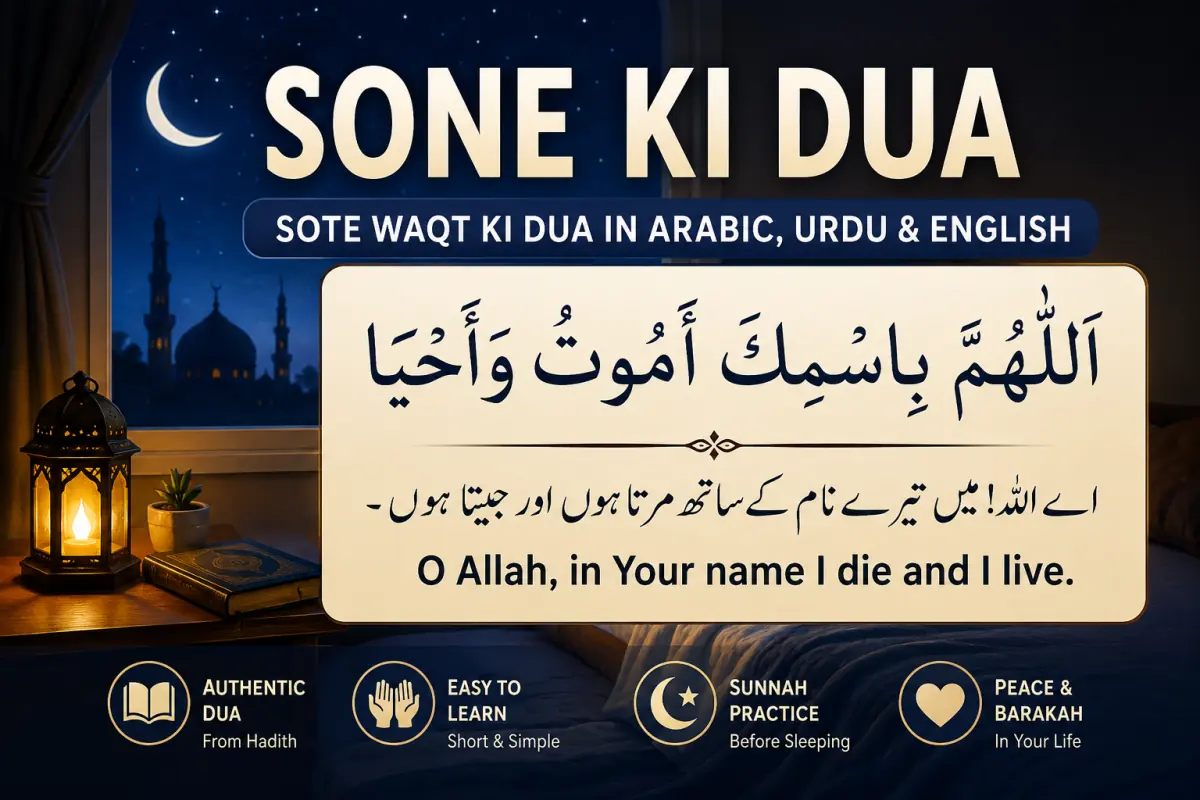
Sone Ki Dua in Arabic
اَللّٰهُمَّ بِاسْمِكَ أَمُوتُ وَأَحْيَا
Sone Ki Dua Transliteration
Allahumma bismika amutu wa ahya.
Sone Ki Dua Meaning in English
“O Allah, in Your name I die and I live.”
Sone Ki Dua Meaning in Urdu
اے اللہ! میں تیرے نام کے ساتھ مرتا ہوں اور جیتا ہوں۔
The dua is only a few words long, which makes it particularly easy for children and adults to learn.
What Does Sone Ki Dua Mean?
Although the dua before sleeping is short, its meaning is powerful.
When we say “Allahumma bismika amutu wa ahya,” we acknowledge that our life is completely dependent upon Allah. Every night we close our eyes without knowing with certainty whether we will wake up the following morning.
Reciting this dua therefore becomes an expression of trust in Allah. It also reminds us to be grateful when we wake up and receive another day of life.
Rather than ending the day distracted by worries or screens, the dua gives us a simple opportunity to finish the day with the remembrance of Allah.
When Should You Read Sote Waqt Ki Dua?
The Sote Waqt Ki Dua should be recited when you are ready to go to sleep.
After completing your bedtime routine and lying down, simply recite:
Allahumma bismika amutu wa ahya.
Try to understand the meaning while saying it instead of treating it as something that must be repeated mechanically.
Parents can also teach the dua to children. Because it contains only a few words, repeating it together every night can make memorization much easier.
Another Dua Before Sleeping
There is another beautiful supplication reported for bedtime:
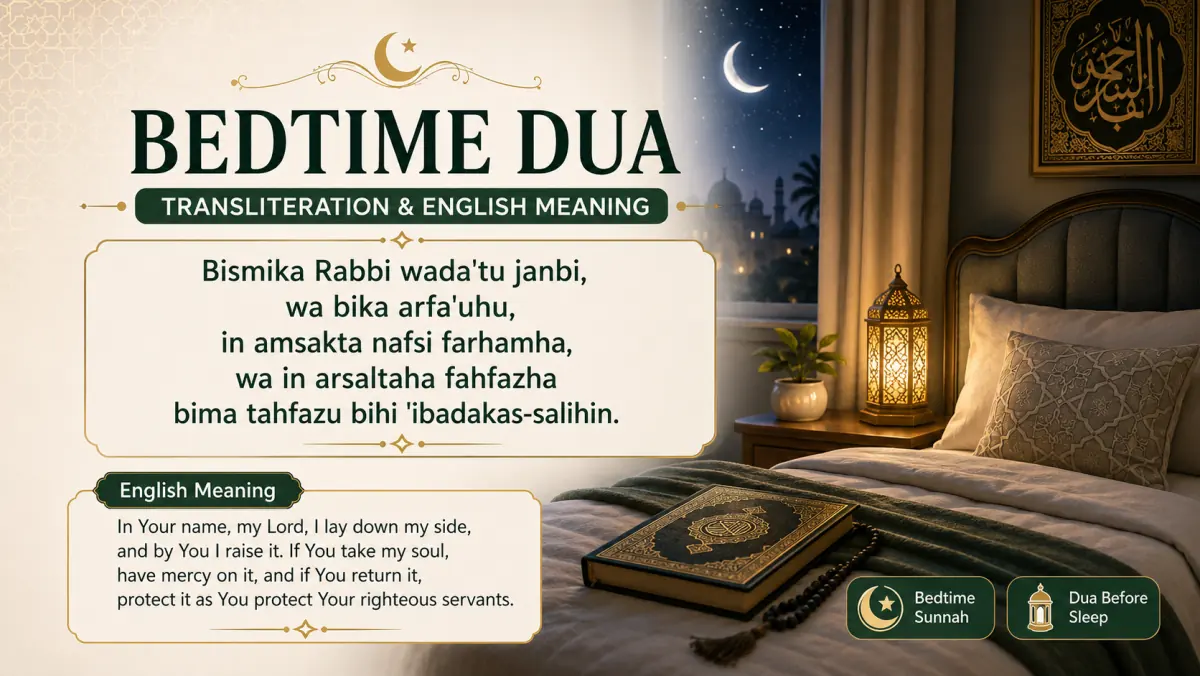
بِاسْمِكَ رَبِّي وَضَعْتُ جَنْبِي، وَبِكَ أَرْفَعُهُ، فَإِنْ أَمْسَكْتَ نَفْسِي فَارْحَمْهَا، وَإِنْ أَرْسَلْتَهَا فَاحْفَظْهَا، بِمَا تَحْفَظُ بِهِ عِبَادَكَ الصَّالِحِينَ
Transliteration
Bismika Rabbi wada'tu janbi, wa bika arfa'uhu, in amsakta nafsi farhamha, wa in arsaltaha fahfazha bima tahfazu bihi 'ibadakas-salihin.
English Meaning
“In Your name, my Lord, I lay down my side, and by You I raise it. If You take my soul, have mercy on it, and if You return it, protect it as You protect Your righteous servants.”
This supplication is reported in both Sahih al-Bukhari and Sahih Muslim. You can view the full narration on Sunnah.com.
Sunnah Practices Before Sleeping
The Sone Ki Dua can be part of a wider Islamic bedtime routine. Authentic narrations mention several practices associated with preparing for sleep.
These include making wudu before going to bed, lying on the right side, and remembering Allah through prescribed duas and adhkar.
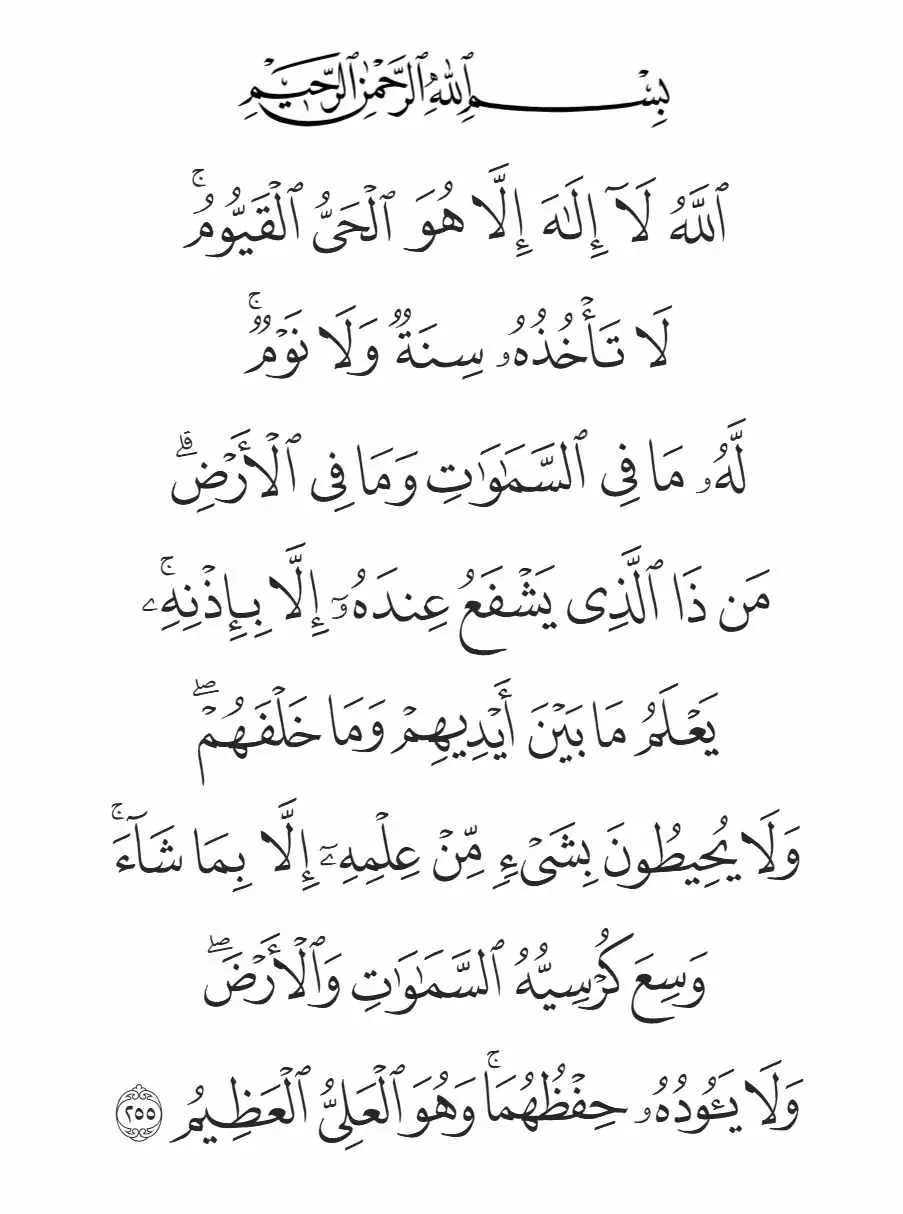
Many Muslims also recite Ayat al-Kursi, which is verse 255 of Surah Al-Baqarah. You can read the complete verse with translations on Quran.com – Ayat al-Kursi.
Surah Al-Ikhlas, Al-Falaq, and An-Nas are also commonly included in bedtime adhkar.
You do not necessarily need to build an elaborate routine immediately. Begin with the short sleeping dua and gradually learn other authentic bedtime adhkar.
Benefits of Reading Sone Ki Dua
Making the Sone Ki Dua part of your night can help develop a consistent habit of remembering Allah.
Some important spiritual benefits include:
- Remembering Allah before ending the day.
- Strengthening trust and reliance upon Allah.
- Following the Sunnah of Prophet Muhammad ﷺ.
- Developing a regular habit of dhikr.
- Helping children learn Islamic duas from an early age.
- Reflecting on the blessing of life and waking up each morning.
The dua should be understood as an act of worship and remembrance rather than a formula promising a specific worldly result.
How to Memorize Sone Ki Dua Easily
The easiest way to memorize the dua is to divide it into small parts:
Allahumma – bismika – amutu – wa ahya.
Read it aloud a few times and then repeat it without looking at the text.
Learning the meaning also helps:
“O Allah, in Your name I die and I live.”
Most importantly, make it part of your nightly routine. Repeating the same words every night will naturally make them easier to remember.
Frequently Asked Questions
What is the dua for sleeping?
The commonly recited sleeping dua is:
Allahumma bismika amutu wa ahya.
What is Sone Ki Dua in English?
It means:
“O Allah, in Your name I die and I live.”
What is Sone Ki Dua in Urdu?
اے اللہ! میں تیرے نام کے ساتھ مرتا ہوں اور جیتا ہوں۔
When should Sote Waqt Ki Dua be recited?
It is recited when you are going to bed and preparing to sleep.
Can children learn Sone Ki Dua?
Yes. Since the dua is short and simple, parents can easily teach it to children by repeating it with them every night.
Final Words
The Sone Ki Dua is one of the simplest daily Islamic supplications to add to your routine. Saying “Allahumma bismika amutu wa ahya” before sleeping takes only a few seconds, yet it provides a meaningful reminder that life and waking are in Allah’s hands.
Learning its meaning and reciting it regularly can help make remembrance of Allah a natural part of bedtime for both adults and children.

 Subah Uthne Ki Dua
  Azan Ke Baad Ki Dua