
Breaking the fast is one of the most peaceful moments of the day during Ramadan. After staying away from food and drink from dawn until sunset, Muslims gather for Iftar and thank Allah for giving them the strength to complete their fast.
Many people search for Roza Kholne Ki Dua in English because they want to understand the words they recite at Iftar, not simply memorize them. Below you can find the Arabic text, English transliteration, translation, Urdu meaning, and the dua reported in Hadith for breaking the fast.
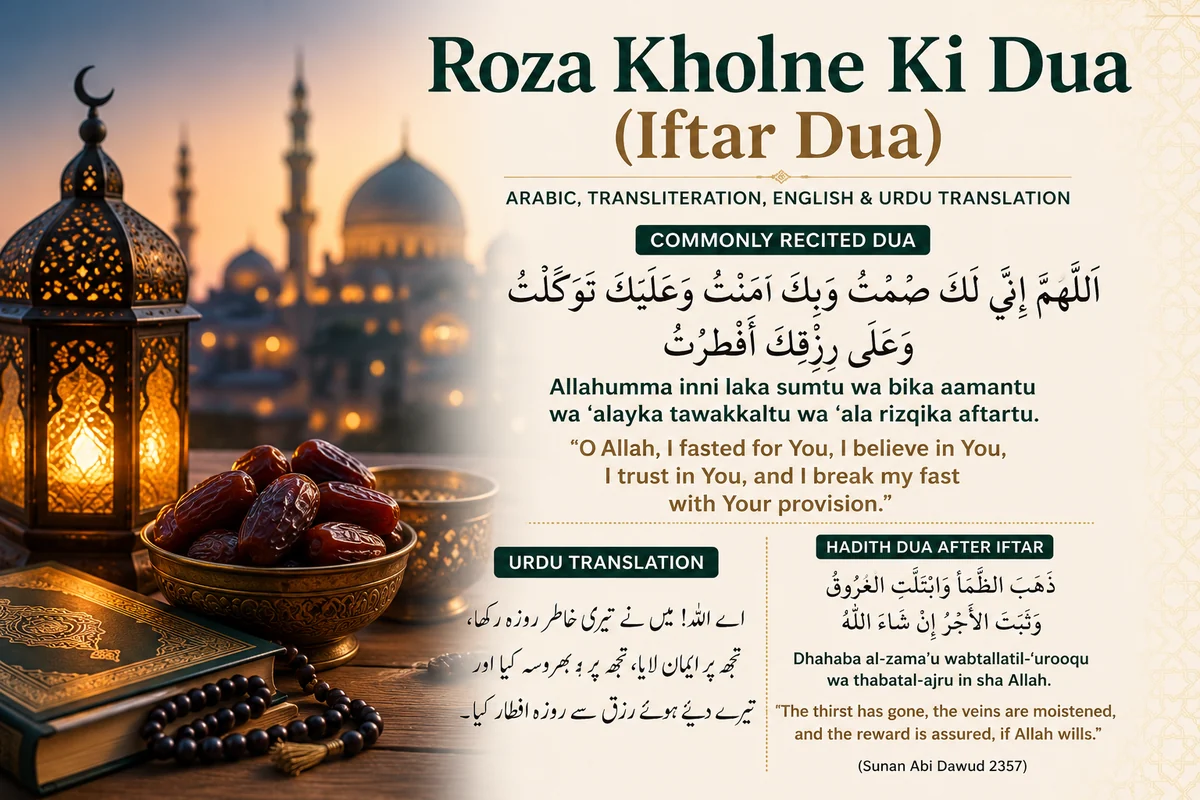
Roza Kholne Ki Dua in Arabic and English
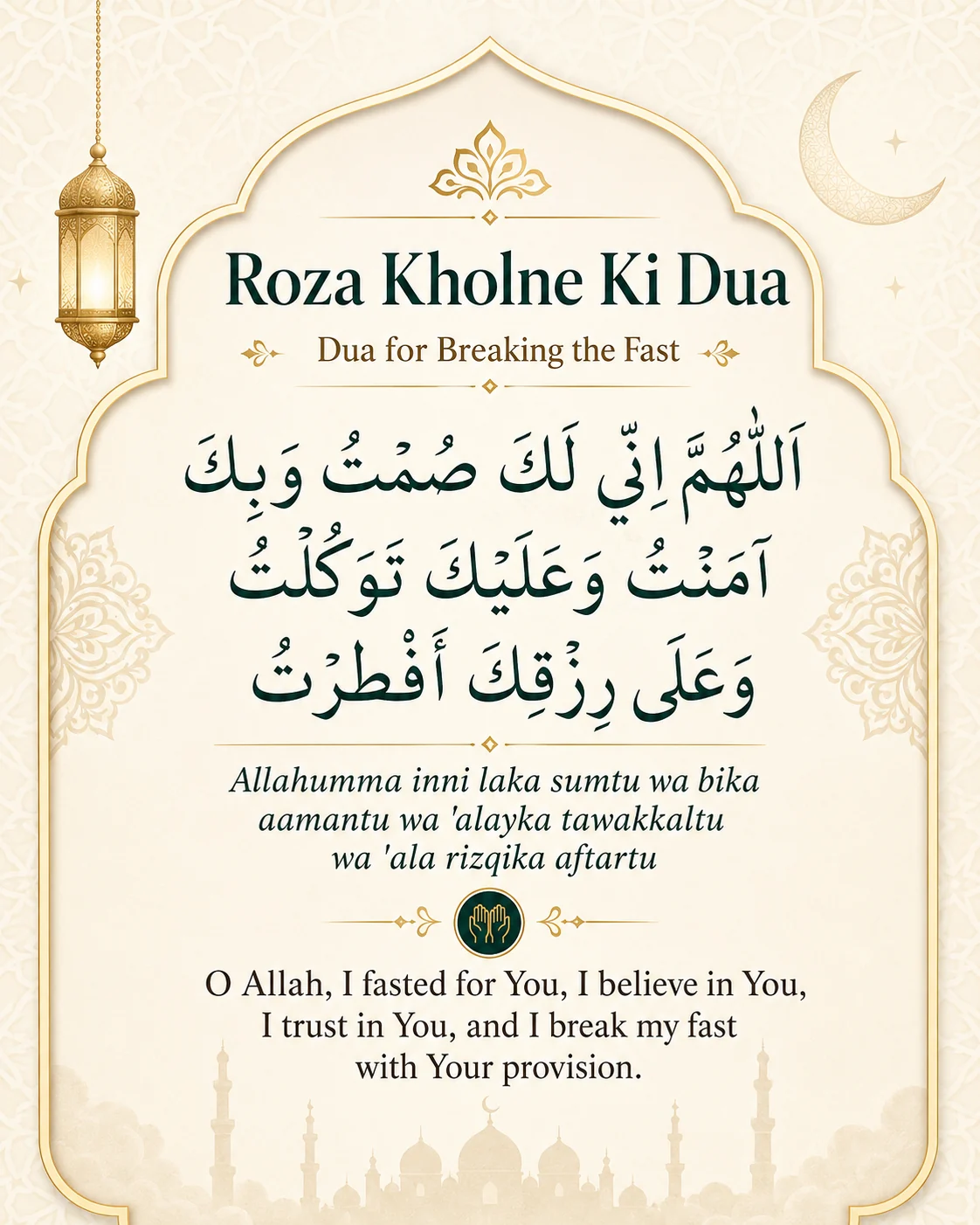
A commonly recited Iftar dua is:
Arabic:
اَللّٰهُمَّ اِنِّي لَكَ صُمْتُ وَبِكَ آمَنْتُ وَعَلَيْكَ تَوَكَّلْتُ وَعَلَى رِزْقِكَ أَفْطَرْتُ
English Transliteration:
Allahumma inni laka sumtu wa bika aamantu wa ‘alayka tawakkaltu wa ‘ala rizqika aftartu.
English Translation:
“O Allah, I fasted for You, I believe in You, I put my trust in You, and I break my fast with Your provision.”
The meaning is simple but beautiful. It reminds a fasting person that the fast was kept for Allah, that we depend on Him, and that the food and water used to break the fast are also blessings provided by Him.
This wording is very common among Muslims. However, the related narration containing “Allahumma laka sumtu wa ‘ala rizqika aftartu” has been considered weak by some Hadith scholars.
Roza Kholne Ki Dua in Urdu
The Urdu meaning of the commonly recited dua is:
اے اللہ! میں نے تیری خاطر روزہ رکھا، تجھ پر ایمان لایا، تجھ پر بھروسہ کیا اور تیرے دیے ہوئے رزق سے روزہ افطار کیا۔
When you understand the translation, the dua becomes more meaningful. Instead of simply waiting for the first sip of water, you are reminded to pause for a moment and recognize Allah’s blessings.
Fasting teaches patience throughout the day, while Iftar teaches gratitude for things we may normally take for granted.
Authentic Dua After Breaking the Fast
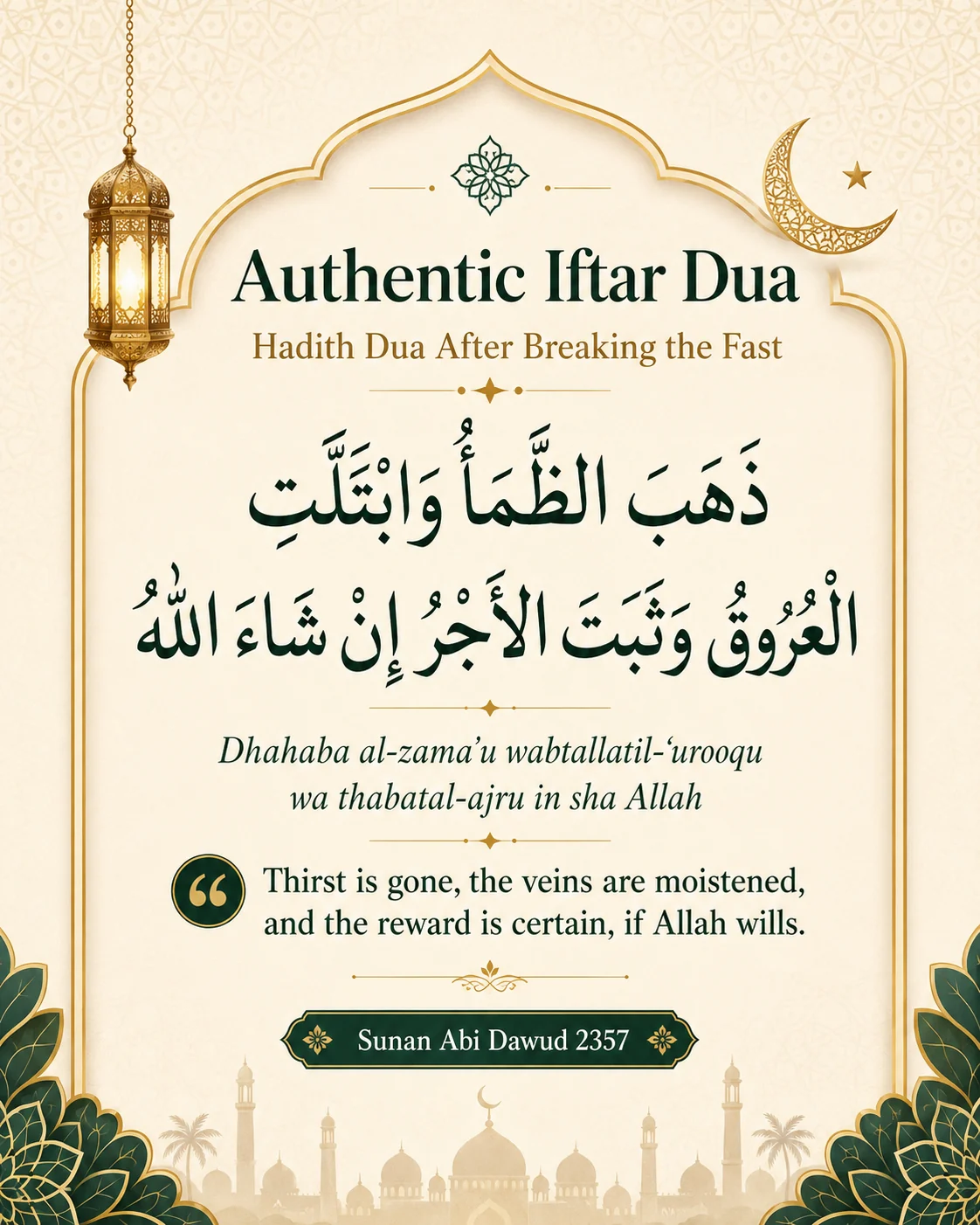
Another important dua is reported from the Prophet Muhammad ﷺ in Sunan Abi Dawud 2357.
Arabic:
ذَهَبَ الظَّمَأُ وَابْتَلَّتِ الْعُرُوقُ وَثَبَتَ الأَجْرُ إِنْ شَاءَ اللَّهُ
English Transliteration:
Dhahaba al-zama’u wabtallatil-‘urooqu wa thabatal-ajru in sha Allah.
English Translation:
“The thirst has gone, the veins are moistened, and the reward is assured, if Allah wills.”
Ibn Umar (RA) reported that the Messenger of Allah ﷺ would say these words when he broke his fast. The narration can be found at Sunnah.com – Sunan Abi Dawud 2357.
The wording fits the moment perfectly. After a full day of fasting, thirst disappears, the body receives nourishment again, and the fasting person hopes that Allah accepts the fast and grants its reward.
What Does the Iftar Dua Teach Us?
The Roza Kholne Ki Dua contains several important reminders.
“I fasted for You” reminds us that fasting is an act of worship performed for Allah.
“I believe in You” expresses faith and submission.
“I trust in You” reminds us that Muslims rely upon Allah in all situations.
And “I break my fast with Your provision” teaches gratitude. Whether your Iftar consists of dates and water or a full meal, everything ultimately comes from the provision Allah has given.
Understanding these meanings can help make Iftar more spiritual and personal.
When Should You Break Your Fast?
A Muslim should break the fast once the sun has set. Allah says in the Quran:
“Then complete the fast until nightfall.”
This instruction appears in Surah Al-Baqarah 2:187.
The Sunnah also encourages Muslims not to unnecessarily delay Iftar once sunset has occurred.
You may remember Allah and make personal duas around this time. The “Dhahaba al-zama’u…” supplication is particularly suitable after breaking the fast because its words describe thirst having disappeared.
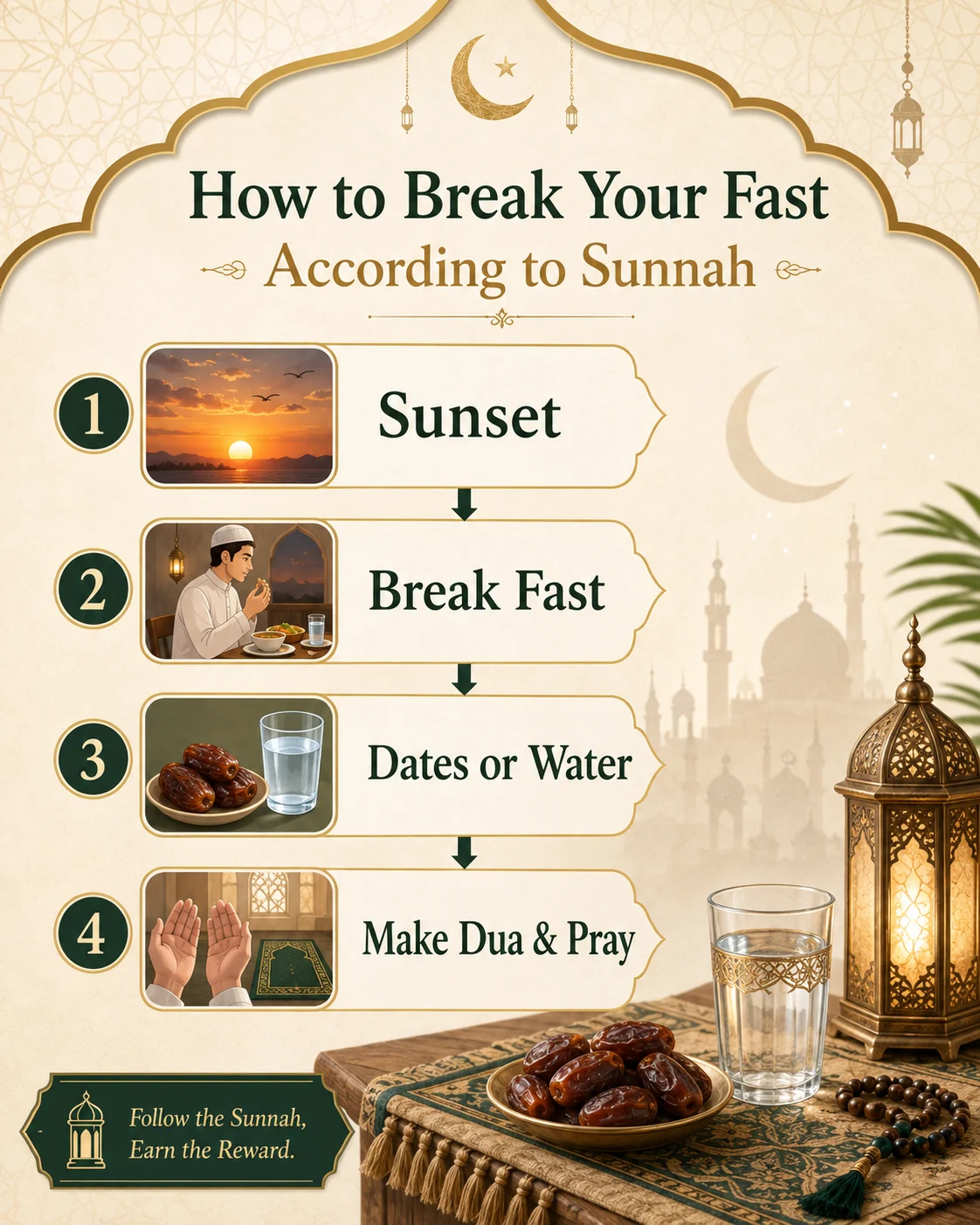
How to Break the Fast According to Sunnah
Iftar does not need to be complicated. The Prophet ﷺ taught a simple and balanced way to break the fast.
When available, the fast may be broken with fresh dates. If fresh dates are unavailable, dried dates can be used, and if there are no dates, water is sufficient.
A narration from Anas ibn Malik (RA) describes the Prophet ﷺ breaking his fast with fresh dates before prayer, or dried dates when fresh ones were unavailable, and water if there were no dates.
You can read more about this practice in Jami` at-Tirmidhi 696.
Remember to say Bismillah before eating and thank Allah for the food in front of you.
Can You Make Your Own Dua at Iftar?
Yes. You are not limited to one memorized sentence.
Iftar is a meaningful time to ask Allah for forgiveness, guidance, mercy, good health, halal provision, help for your family, and anything else that is good and permissible.
You can make dua in Arabic or in a language you understand. What matters is sincerity and turning to Allah with humility.
Frequently Asked Questions
What is Roza Kholne Ki Dua in English?
The commonly recited translation is: “O Allah, I fasted for You, I believe in You, I trust in You, and I break my fast with Your provision.”
What is the authentic dua after breaking fast?
A reported dua is:
Dhahaba al-zama’u wabtallatil-‘urooqu wa thabatal-ajru in sha Allah.
It means: “The thirst has gone, the veins are moistened, and the reward is assured, if Allah wills.”
Is Roza Kholne Ki Dua compulsory?
Reciting a particular formula is not a condition for your fast to be valid. You may remember Allah, recite a reported supplication, and make your own sincere duas.
Final Thoughts
Learning Roza Kholne Ki Dua in English helps you understand the meaning behind the words spoken at Iftar. The commonly recited “Allahumma inni laka sumtu…” expresses faith, trust, and gratitude, while “Dhahaba al-zama’u…” is reported in Sunan Abi Dawud.
Rather than seeing Iftar only as the end of hunger and thirst, use those few moments to thank Allah, remember His blessings, and ask Him to accept your fast.
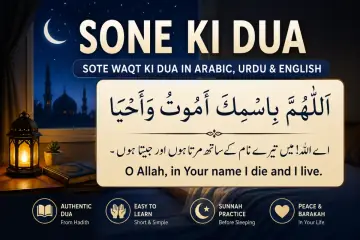 Sone Ki Dua
 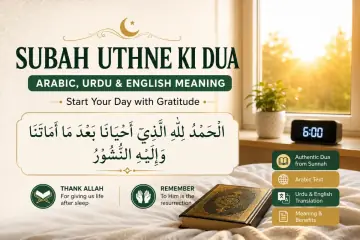 Subah Uthne Ki Dua